
Introduction
Surface quality is critical in medical device manufacturing. CNC machined medical components often require smooth surfaces, corrosion resistance, and reliable cleaning performance to meet their intended application requirements.
Choosing the right surface finishes for medical CNC components can improve durability, reduce contamination risks, and support sterilization and maintenance processes.
Common treatments include passivation, electropolishing, anodizing, and mechanical polishing. Each offers different benefits depending on the material, component design, and medical application.
This guide introduces common surface finishing methods and explains how to select the right treatment for medical CNC parts.
1. Why Surface Finishing Matters for Medical CNC Components
Medical components may be exposed to repeated cleaning, sterilization, moisture, and chemical disinfectants. Their surface condition can directly affect service life and functional reliability.
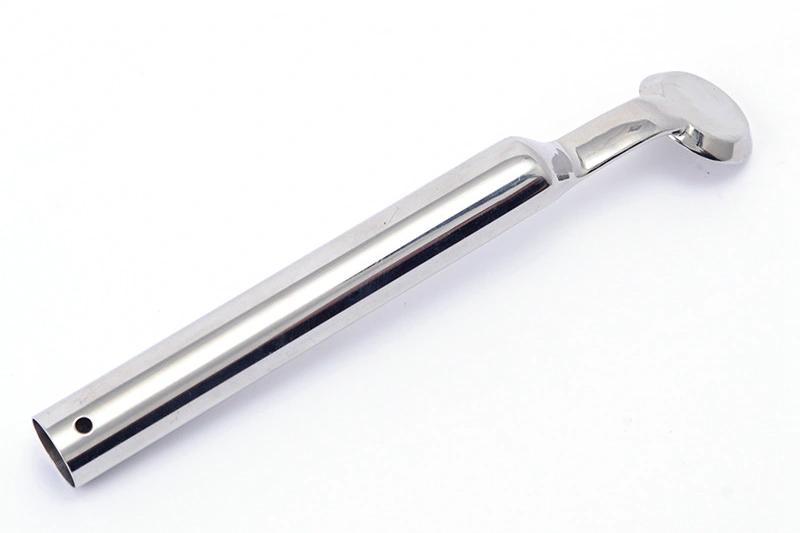
Important benefits of surface finishing include:
- Corrosion resistance: Helps protect metal components against moisture and chemical exposure.
- Cleanability: Reduces surface irregularities where contaminants may accumulate.
- Wear resistance: Improves durability in moving or contacting components.
- Surface consistency: Provides controlled appearance and functional characteristics.
- Biocompatibility support: Appropriate material and finishing processes help meet application-specific biological requirements.
Surface finishing alone does not establish that a component is biocompatible or suitable for implantation. Material selection, processing, cleaning, and validation must also be considered.
2. Common Surface Finishes for Medical CNC Parts
Different medical applications require different surface treatments. The choice depends on the base material, corrosion exposure, cleaning requirements, and intended use.
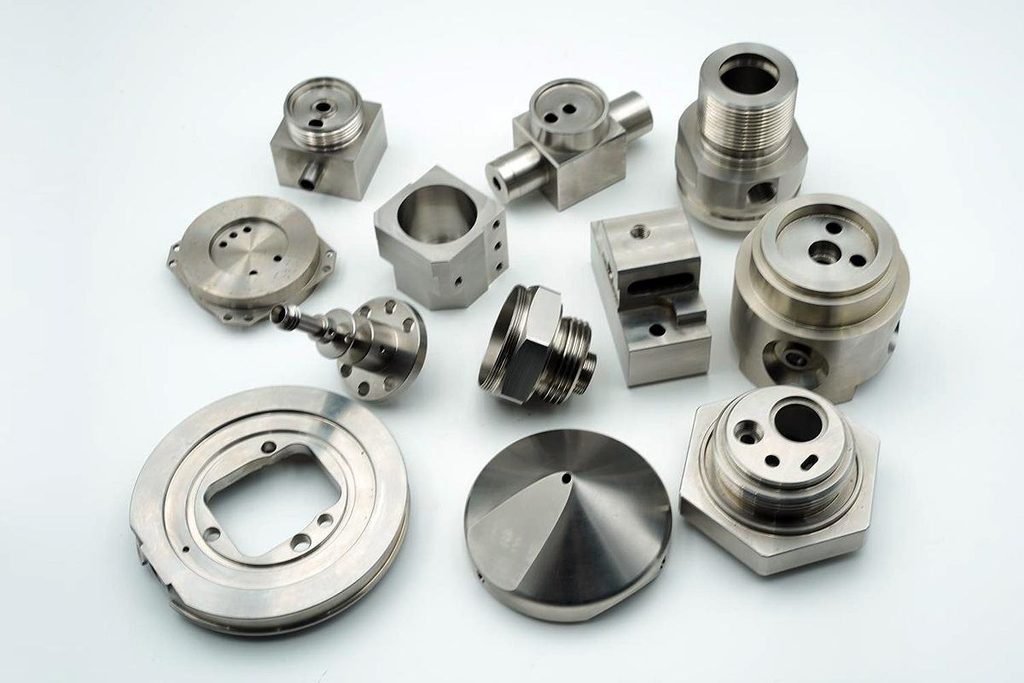

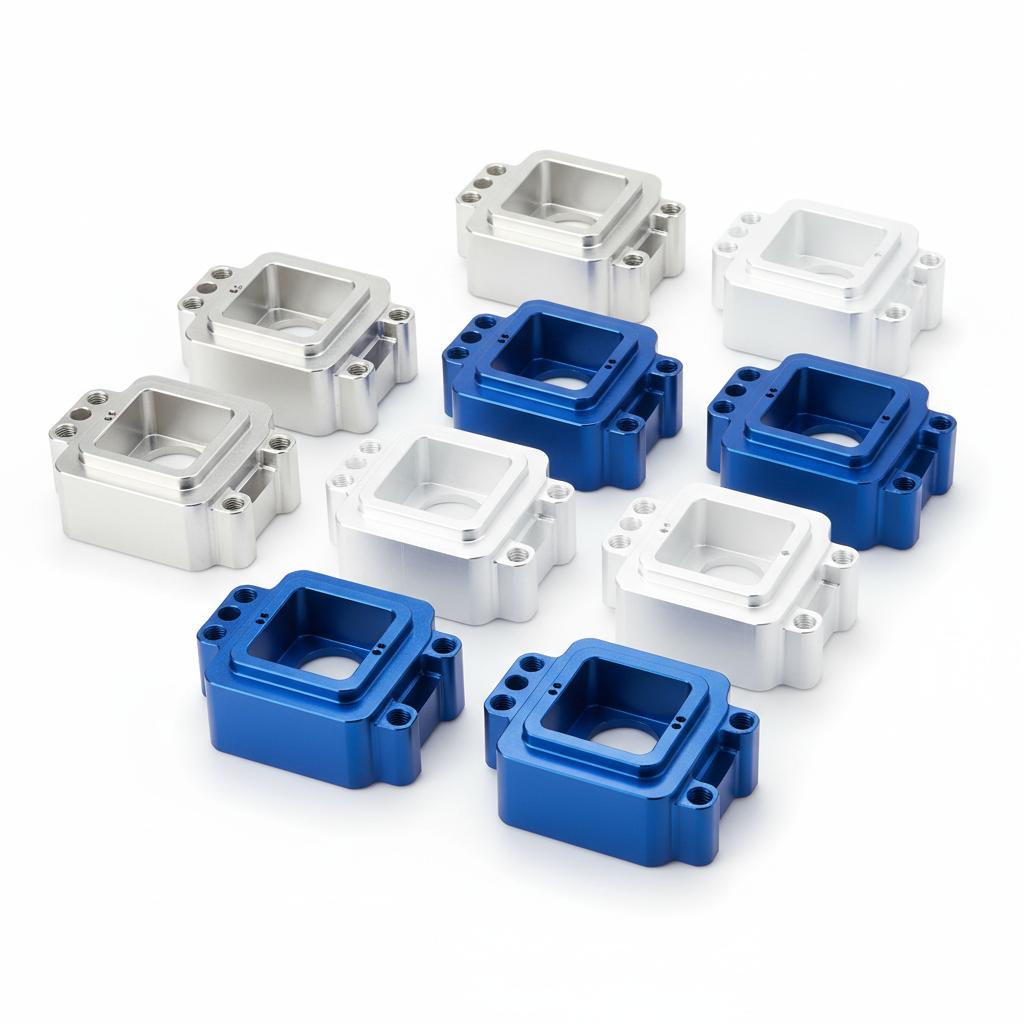
9
| Surface finish | Main benefits | Typical applications |
|---|---|---|
| Passivation | Improves stainless steel corrosion resistance | Surgical instruments, housings |
| Electropolishing | Smooths surfaces and improves corrosion resistance | Reusable surgical components |
| Mechanical polishing | Reduces surface roughness | Instrument handles, contact surfaces |
| Anodizing | Improves aluminum corrosion and wear resistance | Medical equipment housings |
| Bead blasting | Creates a uniform matte appearance | Non-critical external components |
The appropriate process should be selected according to the component’s functional and regulatory requirements.
3. Passivation for Stainless Steel Medical Parts
Passivation is a chemical treatment commonly used for stainless steel components. It removes free iron and other surface contaminants, helping the material develop a protective chromium-rich oxide layer.
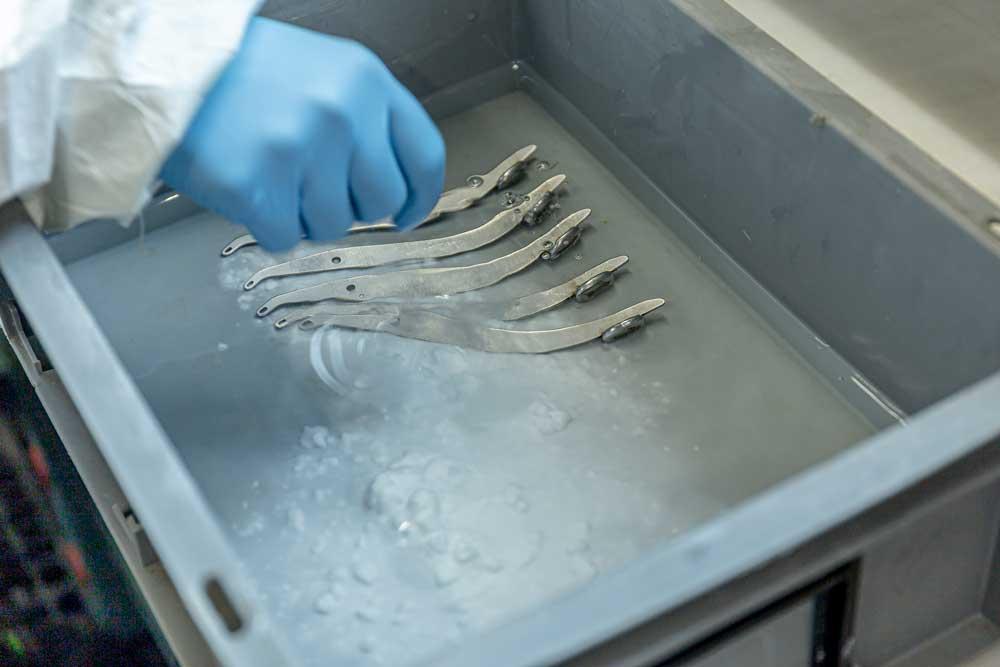
Key advantages include:
- Improved corrosion resistance.
- Reduced surface iron contamination.
- Better resistance to oxidation.
- Preservation of the original surface dimensions.
Passivation medical parts is particularly useful for stainless steel surgical instruments, medical equipment fittings, and precision mechanical components.
It is important to understand that passivation does not significantly smooth rough machining marks. Surface polishing or electropolishing may be needed when lower roughness is required.
4. Electropolishing for High-Quality Medical Surfaces
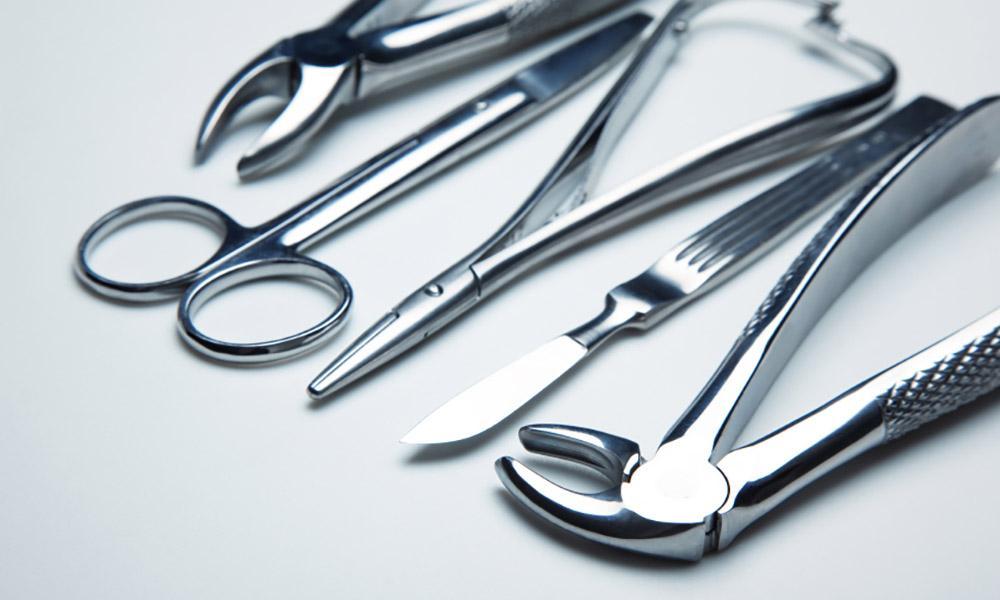
Electropolishing CNC components is an electrochemical process that removes a thin layer of material from a metal surface.
It can reduce microscopic peaks, improve surface smoothness, and enhance corrosion resistance when properly controlled.
Common benefits include:
- Smoother surface texture.
- Reduced microscopic surface irregularities.
- Improved corrosion resistance.
- Easier cleaning of suitable component geometries.
Electropolishing is frequently considered for reusable surgical instruments, stainless steel tubing, and precision medical components.
However, it is not automatically required for every implant-grade CNC part. The decision depends on material specifications, surface roughness requirements, component geometry, and applicable validation standards.
5. How to Select the Right Medical Part Surface Treatment
Selecting a suitable medical part surface treatment requires evaluating more than appearance.
Consider these factors:
- Base material: Stainless steel, titanium, and aluminum require different finishing processes.
- Intended application: Reusable instruments, implantable devices, and equipment housings have different requirements.
- Surface roughness: Specify the required Ra value according to functional and regulatory needs.
- Sterilization exposure: Consider repeated exposure to steam, chemicals, or other sterilization methods.
- Dimensional requirements: Some treatments remove or add material and may affect critical fits.
- Regulatory requirements: Verify applicable material, cleaning, and biocompatibility requirements.
For example, electropolishing may be suitable for a stainless steel surgical instrument requiring a smooth surface, while passivation may be sufficient for another stainless steel component with less demanding surface requirements.
6. Quality Control After Surface Finishing
Surface finishing should be followed by appropriate inspection to ensure that the treatment meets engineering specifications.
Important inspection methods include:
- Surface roughness measurement using a profilometer.
- Visual inspection for discoloration, scratches, and defects.
- Dimensional inspection of critical interfaces.
- Corrosion resistance testing where required.
- Cleaning and residue verification.
For medical components, manufacturers should also maintain process documentation and traceability. Surface finishing must be validated according to the intended application and applicable quality requirements.
When sourcing components, consider suppliers offering medical-grade surface finishing for CNC parts alongside precision machining and quality inspection.
Frequently Asked Questions
1. What surface finish is best for reusable surgical components?
Electropolishing is often a suitable option for stainless steel reusable surgical components because it improves surface smoothness and corrosion resistance. Mechanical polishing may also be appropriate depending on the required surface texture and component design.
The final choice depends on the material, cleaning process, sterilization conditions, and applicable medical device requirements.
2. Is electropolishing required for implant-grade CNC parts?
No. Electropolishing is not universally required for implant-grade components. The required surface condition depends on the implant material, design, intended biological interaction, and applicable specifications.
Some applications may require electropolishing, while others use different validated finishing processes.
3. How does passivation improve stainless steel medical components?
Passivation removes free iron and surface contaminants, supporting the formation of a protective chromium-rich oxide layer. This improves corrosion resistance and helps stainless steel components maintain their surface integrity during cleaning and use.


