
Introduction
Packaging machinery requires precision components that can operate reliably at high speeds while maintaining consistent product quality. From filling machines and sealing equipment to labeling systems and automated conveyor lines, these machines depend on accurately manufactured mechanical parts.
CNC machining packaging machinery parts provides the dimensional accuracy, repeatability, and material flexibility needed for demanding packaging applications. Components such as rollers, shafts, guide rails, filling nozzles, sealing fixtures, and machine housings can be manufactured using CNC milling and turning.
For food and pharmaceutical packaging equipment, material selection, surface finish, corrosion resistance, and cleanability are also important considerations.
This guide explains common CNC-machined packaging components, suitable materials, machining requirements, and practical design recommendations.
1. Common CNC Machined Components for Packaging Machinery
Packaging equipment contains various moving, positioning, and product-contact components that require reliable machining accuracy.
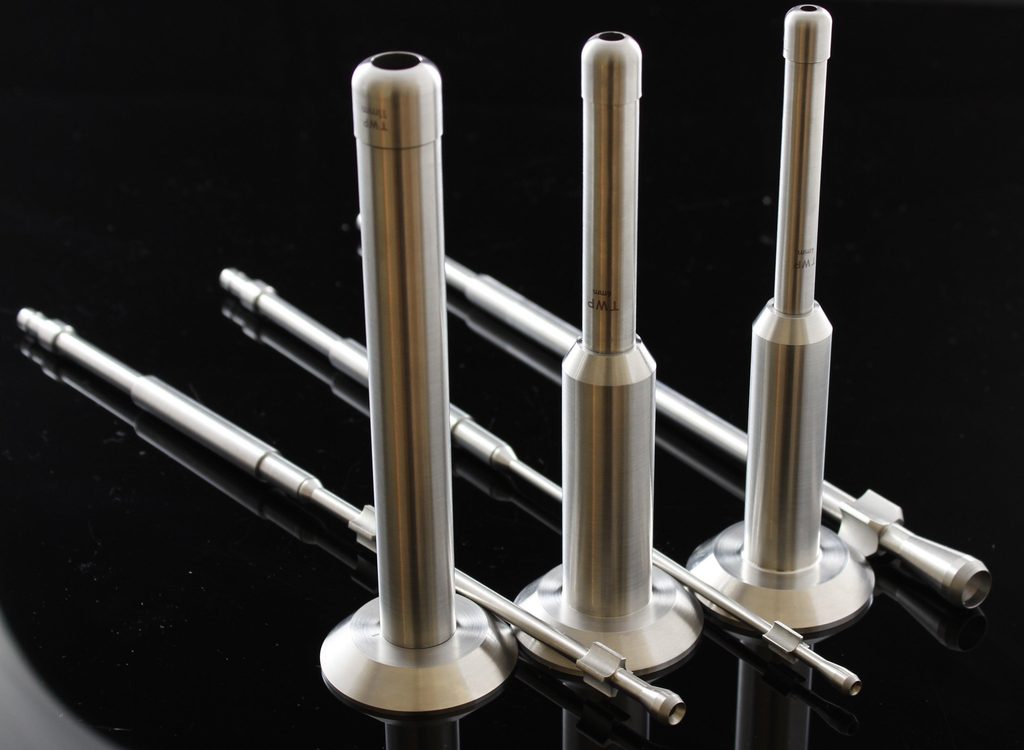
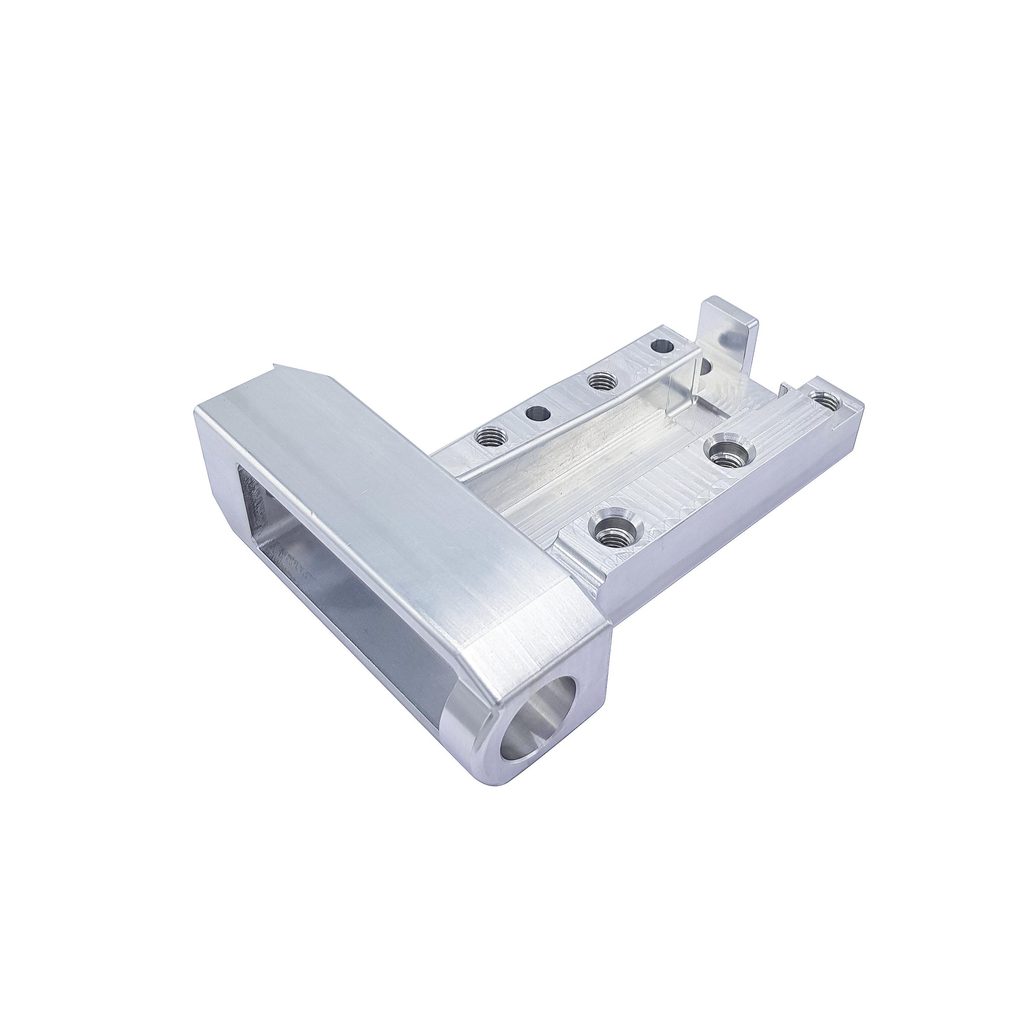
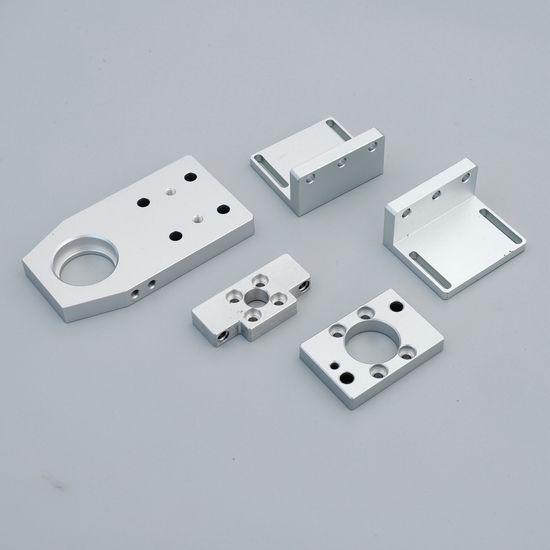
Typical packaging equipment precision CNC parts include:
| Component | Function |
|---|---|
| Shafts and rollers | Drive transmission and material feeding |
| Guide rails | Control product movement and positioning |
| Filling nozzles | Deliver liquids, powders, or other products |
| Sealing fixtures | Support heat sealing and packaging operations |
| Machine housings | Protect internal mechanical assemblies |
| Precision brackets | Support sensors, motors, and automation devices |
These components may require different machining processes depending on their geometry, operating speed, and contact with packaged products.
2. Suitable Materials for Packaging Machinery CNC Parts
Material selection depends on mechanical strength, corrosion resistance, cleaning requirements, and whether the component directly contacts food.
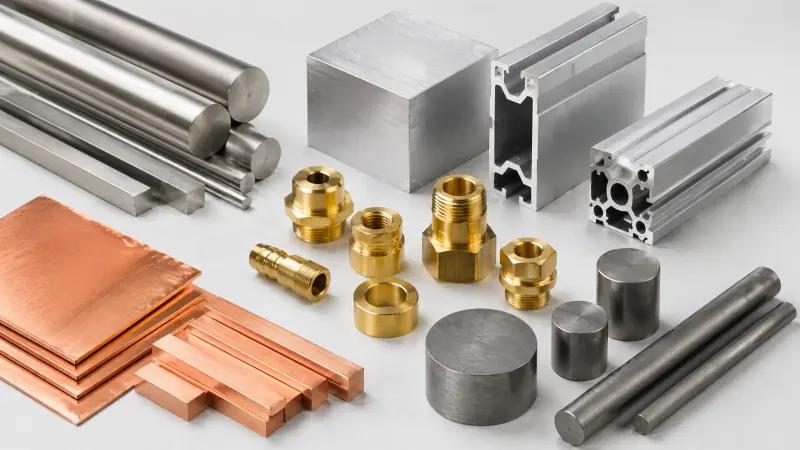
2.1 Stainless Steel 304 and 316L
Stainless steel is widely used for food processing and packaging equipment.
- 304 stainless steel: Suitable for many general-purpose food packaging components, machine frames, and fittings.
- 316L stainless steel: Offers improved resistance to chloride-related corrosion and is useful for components exposed to aggressive cleaning chemicals or demanding environments.
Both grades require appropriate surface finishing and cleaning procedures for food-contact applications.
2.2 Aluminum Alloys
Aluminum 6061 is commonly used for machine brackets, housings, mounting plates, and structural components.
Its advantages include low weight, good machinability, and relatively low manufacturing costs. For food-contact applications, the surface treatment and suitability of the finished component must be evaluated carefully.
2.3 Engineering Plastics
Materials such as POM, PE, and UHMW-PE are used for guide rails, wear strips, spacers, and low-friction moving components.
For direct food contact, select grades with appropriate food-contact compliance documentation for the intended application.
3. Surface Finish and Precision Requirements
Packaging machinery components often operate continuously and may be exposed to moisture, cleaning chemicals, friction, or direct product contact.
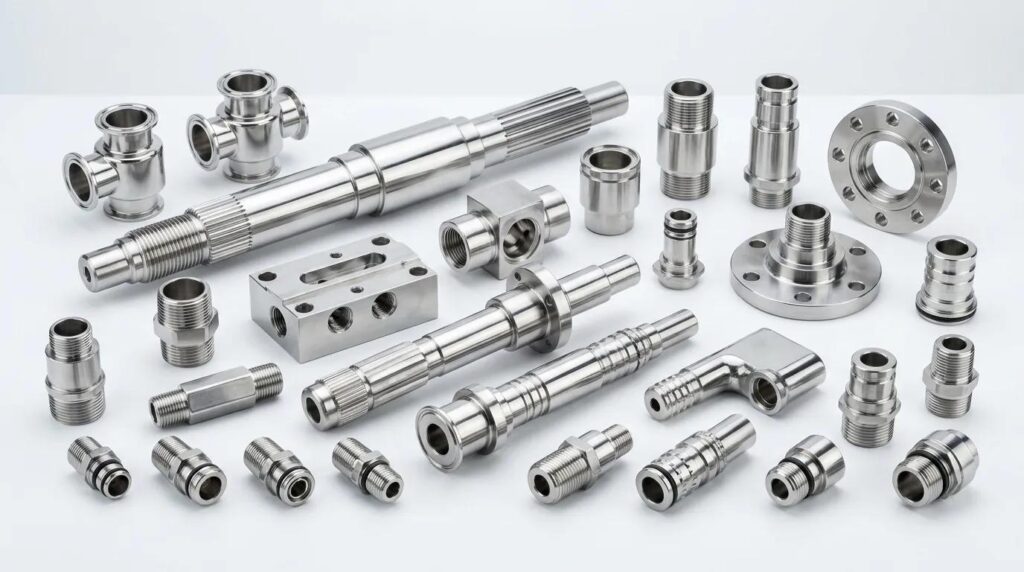
Important manufacturing considerations include:
- Surface roughness: Smooth surfaces help reduce product buildup and make cleaning easier.
- Dimensional accuracy: Shafts, rollers, and guide components need appropriate tolerances for reliable assembly and movement.
- Corrosion resistance: Materials and finishes should withstand the operating and cleaning environment.
- Edge quality: Remove burrs and sharp edges that could affect assembly, cleaning, or product safety.
For food-contact surfaces, the required finish should follow applicable hygienic design and regulatory requirements. A commonly specified target is Ra 0.8 μm or smoother, but this is not a universal requirement for every packaging component.
4. How to Improve CNC Machining Efficiency
Design and manufacturing decisions can significantly affect the cost and reliability of packaging machinery components.
Practical recommendations include:
- Use standard hole sizes and thread specifications.
- Avoid unnecessarily tight tolerances on non-critical features.
- Design parts for accessible cutting tool paths.
- Select materials according to actual operating conditions.
- Minimize machining setups where practical.
- Specify passivation, polishing, or other finishing processes according to functional needs.
For shafts, rollers, and other moving parts, pay particular attention to concentricity, runout, surface finish, and bearing interfaces.
5. Quality Control for Packaging Machinery Components
Consistent machining quality is essential because packaging equipment often operates at high production speeds.
Manufacturers should verify:
- Critical dimensions using calibrated measuring equipment.
- Shaft diameter, concentricity, and runout.
- Thread accuracy and mounting-hole positions.
- Surface roughness on product-contact areas.
- Material certificates and finishing documentation.
- Burr removal and cleanliness before delivery.
For food and pharmaceutical packaging equipment, suppliers should also provide relevant material compliance documentation and maintain traceability where required.
Quality inspections should be based on engineering drawings, functional requirements, and applicable food-contact regulations rather than applying the same inspection criteria to every component.
6. Choosing a CNC Machining Supplier
When sourcing custom packaging machinery parts, evaluate suppliers based on their manufacturing capabilities and quality controls.
Key factors include:
- Experience machining stainless steel, aluminum, and engineering plastics.
- CNC milling and turning capabilities.
- Surface finishing and polishing options.
- Dimensional inspection equipment, including CMMs.
- Experience with food-contact material requirements.
- Material traceability and inspection documentation.
For international buyers, also consider production capacity, communication efficiency, delivery schedules, and the supplier’s ability to support custom designs.
For more information, explore food-safe CNC machined packaging machine parts.
7. Frequently Asked Questions
1. What materials are food-safe for packaging machine CNC parts?
Common options include 304 and 316L stainless steel, as well as suitable food-contact grades of POM, PE, and UHMW-PE. The correct material depends on the product, cleaning chemicals, operating temperature, and applicable food-contact regulations. Material certificates and compliance documentation should be verified.
2. What surface finishes are required for food contact packaging components?
Food-contact surfaces generally need to be smooth, cleanable, corrosion-resistant, and free from defects that can trap product residues or contaminants. Ra 0.8 μm or smoother is a common design target in some applications, but the actual requirement depends on the equipment design, hygienic standards, and regulatory requirements.
3. What tolerance requirements apply to packaging machinery moving parts?
Tolerance requirements depend on the component’s function. Shafts, bearings, rollers, and alignment features may require tighter dimensional and geometric controls, while external brackets and non-critical housings can generally use wider tolerances. Runout, concentricity, and positional accuracy should be specified where they affect machine performance.


