
CNC thread machining creates internal and external threads on metal and plastic machined parts via tapping, thread milling or turning. Thread selection, hole size, depth, clearance and material properties directly affect strength, assembly and yield rate. This guide covers standard thread types, DFM rules and common mistakes for prototype and low-volume threaded components.
Definition
CNC thread machining creates precision internal and external helical threads on machined components, enabling secure, detachable assembly with fasteners, fittings and connectors. Thread quality directly impacts clamping force, sealing performance, vibration resistance and long-term assembly reliability.
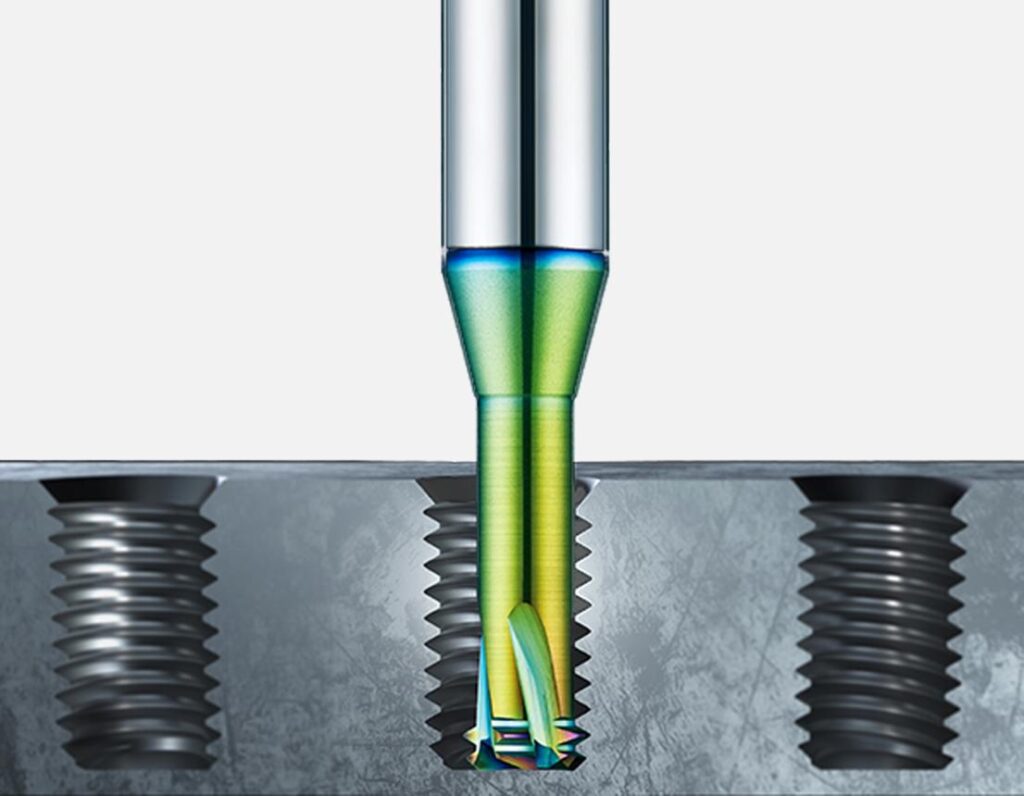
Three mainstream CNC threading techniques are widely adopted: tapping, single-point threading and thread milling. Tapping forms threads with a fluted tap inside pre-drilled holes. Single-point threading relies on synchronized spindle and axis movement on CNC lathes for external threads. Thread milling uses a rotary milling cutter to trace helical toolpaths, ideal for complex or hard-to-machine parts.
Manufacturers select the process based on thread standard, size, material, tolerance, hole depth and accessibility. This capability is highly valued for custom threaded parts, where threads must align accurately with other precision features on one single component.
How It Works
CNC thread machining follows a strict sequence to guarantee accurate helix profile and consistent fit:
- Confirm thread specs: Lock thread standard, diameter, pitch, tolerance grade, hand direction and internal/external type
- Prepare base feature: Drill pilot holes for internal threads or turn down OD blank for external threads
- Select cutting tool: Match tap, single-point insert or thread mill to workpiece material and thread profile
- Program toolpath: Sync spindle speed, feed rate and depth of cut to maintain correct pitch
- Cut threads: Run rough and finish passes to form the helical profile; control chip evacuation to avoid thread damage
- Gauge inspection: Verify thread size, pitch and fit using thread gauges or coordinate measurement tools
Thread milling stands out for low-volume custom work. One thread mill can produce multiple thread sizes by adjusting the program, and it carries much lower risk of catastrophic tool breakage compared to tapping deep blind holes.
Key Parameters
These core parameters decide thread compatibility, manufacturability and in-service performance:
表格
| Factor | Tapping | Thread Milling |
|---|---|---|
| Tooling cost | Low, standard taps widely available | Higher, dedicated thread mill cutters |
| Blind hole suitability | Risk of chip packing & tap breakage | Safer, better chip evacuation |
| Size flexibility | One tap = one fixed thread size | One cutter for multiple diameters |
| Surface finish | Good for soft metals like aluminum | Superior finish for stainless & titanium |
| Tolerance adjustability | Hard to tweak final thread size | Easy to offset for fine tolerance tuning |
| Best fit | Shallow through holes, high-volume simple threads | Deep holes, hard metals, custom low-run prototypes |
This table serves as practical reference. Final selection still needs to combine hole geometry, material hardness and your tolerance requirements.
Pros & Cons
✅ Advantages
- High repeatability: CNC synchronization keeps thread position and profile consistent across prototype batches
- Strong process flexibility: Thread milling supports non-standard threads and complex multi-feature parts
- Broad material compatibility: Proven for aluminum, stainless steel, titanium and high-performance engineering plastics
- Integrated machining: Threads can be milled together with pockets, mounting faces and sealing grooves in one setup
- Ideal for NPD: Fast iteration for custom threaded prototypes without dedicated forming tooling
❌ Limitations
- Access restriction: Tiny diameters, deep blind holes and narrow cavities limit tool reach
- Hardened alloys raise difficulty: Stainless steel and titanium tend to work-harden and wear cutters fast
- Burr risk at entry and exit edges, requiring extra deburring work
- High-precision or safety-critical threads add inspection time and cost
- Thin wall sections around threaded holes may deform under cutting pressure or assembly torque
Typical Applications
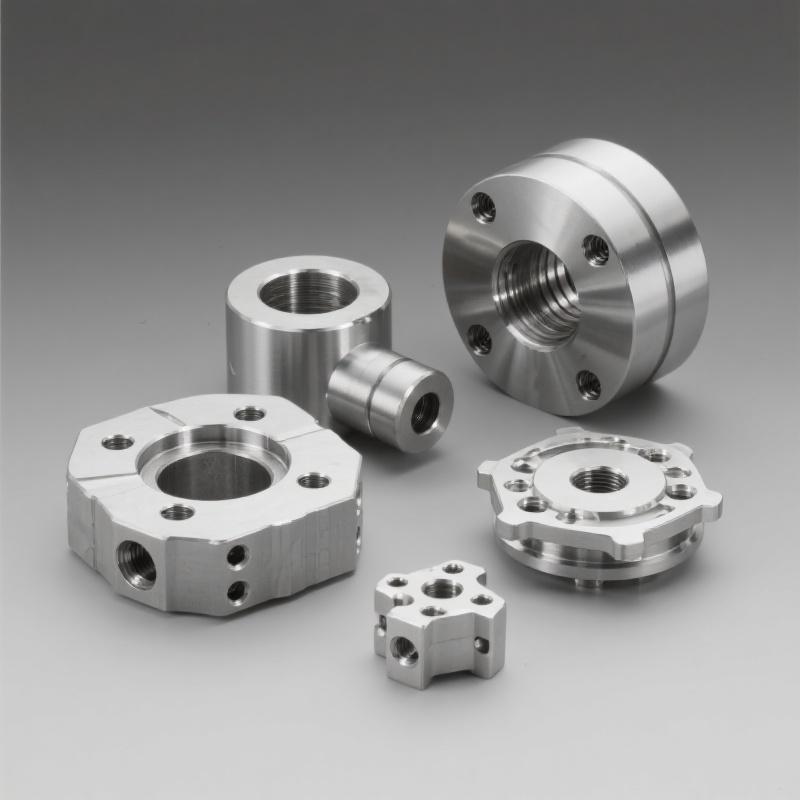
Precision CNC threads are required wherever assemblies need reliable fastening, adjustable joints or sealed fluid connections.
- Aerospace: Instrument housings, mounting brackets and structural fittings with controlled thread classes for traceable assemblies
- Medical equipment: Instrument assemblies, adjustment fixtures and device frames; patient-contact hardware needs separate compliance validation
- Industrial automation: Robot end effectors, sensor mounts, pneumatic manifolds and custom machine tooling
- E-bike systems: Motor casings, battery brackets, brake mounts and vibration-resistant threaded joints
- General precision hardware: Fluid connectors, sealing manifolds and custom fittings for prototype and small-batch builds
Thread design must account for vibration load, cyclic torque, environmental corrosion and sealing needs before production.
Design & Machining Tips
Well-planned thread design minimizes machining failure and assembly issues.
- Write full thread callouts clearly: include standard, diameter, pitch, tolerance class and full thread depth
- Reserve enough material around tapped holes; insufficient wall thickness leads to thread stripping or part cracking under torque
- Add a chamfer lead-in at thread entry to protect the first thread crest and guide fastener alignment
- Leave bottom clearance in blind holes for tool tip space and chip accumulation; do not request full threads all the way to the hole bottom
- Pick the right process for your part: tapping is cost-effective for simple through holes; thread milling for deep blind holes and hard metals
- Adjust strategy for material: Stainless and titanium require lower speeds and sharp coated tools; aluminum needs chip control to avoid built-up edge
- Plan masking for post-treatment: Anodizing, coating or plating changes thread dimension; specify whether threads need protection
- Deliver complete drawings: Mark critical threads, tolerance requirements, torque notes and inspection standards together with CAD files
We deliver low-volume custom threaded prototypes and precision CNC parts with integrated threading and finishing services. A pre-production DFM check catches thread specification errors early to avoid rework.
FAQ
Q: Thread milling vs tapping: which is better for CNC parts?
A: Tapping is fast for standard small threads. Thread milling works for large threads, difficult materials and blind holes with better chip evacuation.

Q: What minimum thread depth should I specify?
A: Useful thread depth should be at least 1.5× nominal diameter. Full thread all the way to the bottom of blind holes cannot be achieved.

Q: Can we cut threads in PEEK or POM plastic?
A: Yes, but plastic threads strip easily. Increase engagement length and avoid repeated disassembly for fine plastic threads.

Q: Should I add a thread relief groove?
A: Yes for tight shoulder threads. A relief groove eliminates incomplete threads at the shoulder and simplifies machining.


