Day October 28, 2026

Precision Tolerance Machining Handbook
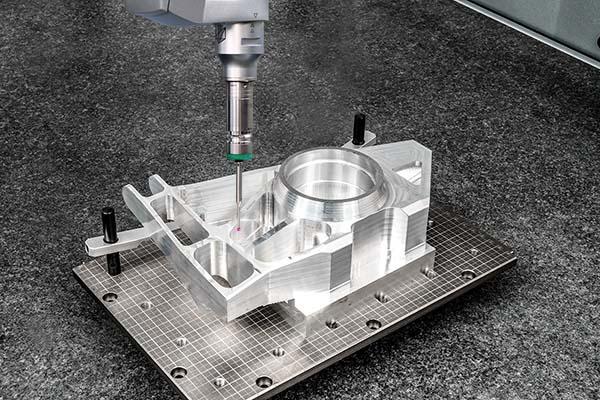
Precision CMM inspection diagram

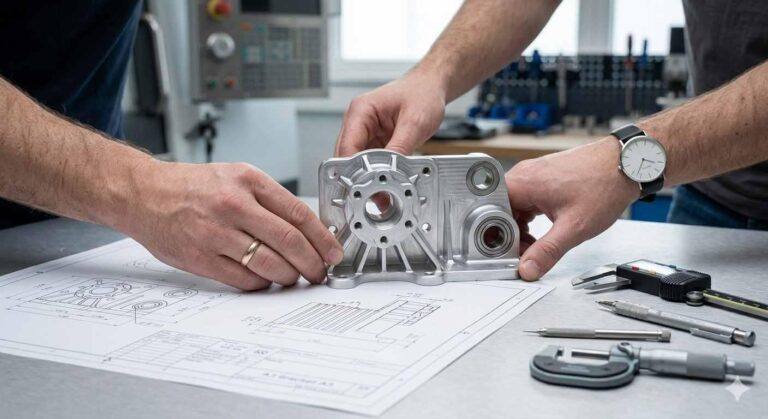
Precision tolerance defines acceptable dimensional variation for CNC machined parts. Proper tolerance specification balances part function, assembly fit, machining cost and lead time. This handbook explains GD&T basics, standard tolerance ranges for metals & plastics, common fit types and DFM rules to avoid over-tolerancing your CNC prototypes and low-volume runs.
Anodizing Basics for Aluminum Components

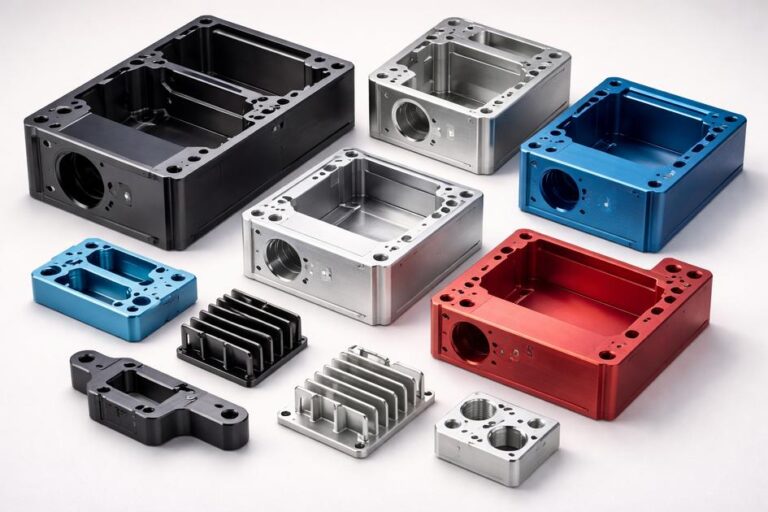
Colorful anodized aluminum machined parts

Anodizing is an electrochemical surface treatment for CNC aluminum parts, building a hard, wear-resistant oxide layer. It improves corrosion resistance, enables color dyeing and surface insulation. This guide covers Type II decorative anodizing, Type III hard anodizing, tolerance impact, color options and design notes for machined aluminum prototypes.

CNC Thread Machining Design Tips

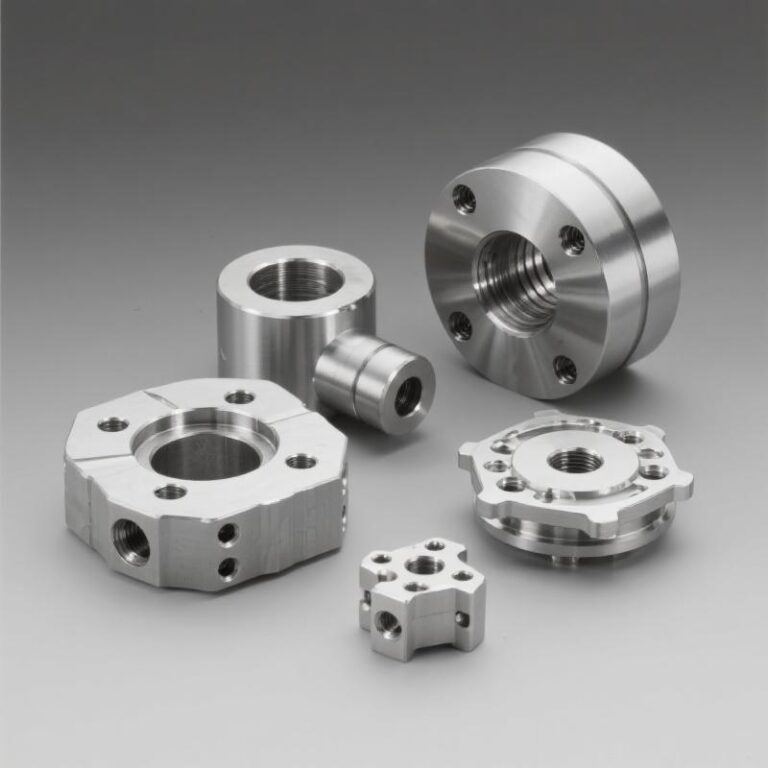
Place after “Typical Applications.” Show machined components with visible internal and external threads.

CNC thread machining creates internal and external threads on metal and plastic machined parts via tapping, thread milling or turning. Thread selection, hole size, depth, clearance and material properties directly affect strength, assembly and yield rate. This guide covers standard thread types, DFM rules and common mistakes for prototype and low-volume threaded components.

Rapid Prototyping Basics for New Product Development

Place after “Typical Applications.” Show a physical assembly incorporating precision-machined components.

Rapid prototyping turns CAD designs into physical functional samples for fit check, validation and design iteration before mass production. CNC machining, 3D printing and vacuum casting are common rapid prototyping processes. This guide compares processes, lead times, material options and cost guidance for engineering prototypes.

Aluminum CNC Machining Handbook

Show finished milled and turned components with clean edges and precision-machined features.

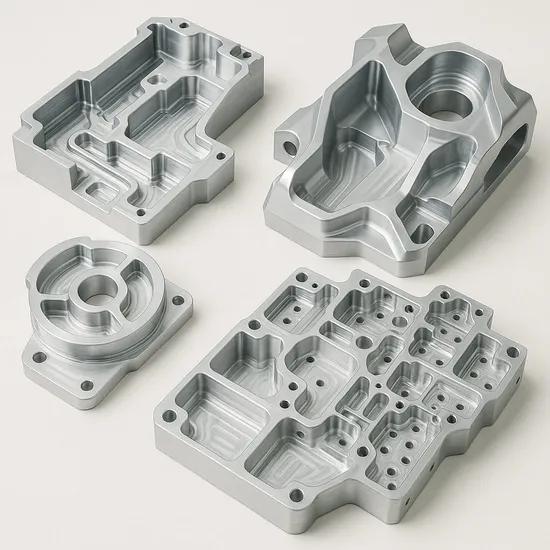
Aluminum is the most widely used material for CNC machining prototypes and low-volume parts due to high strength-to-weight ratio, easy cutting and good surface finishing. This handbook covers common aluminum grades, machinability, tolerance, anodizing options, minimum feature rules and DFM guidance for custom aluminum CNC components.

Leave a message
Email [email protected]
Phone +8613538088866
WhatsApp +8613538088866
Back to top

Contact Us

Leave a message